

An often overlooked and underprotected area of IP
How do UK design rights protect commercial products? UK design rights protect the visual appearance, physical shape, configuration, and surface decoration of commercial products. Registered designs grant a strict 25-year statutory monopoly under the Registered Designs Act 1949, whereas unregistered design rights protect strictly against deliberate copying for three to 15 years
For product manufacturers, fashion brands and FMCG companies, the visual appearance of a product can be a core part of what drives consumer demand. Whether it’s the unique shape of a beverage bottle, the cut of a garment, or the layout of a consumer electronic device, the visual design is a critical commercial asset.
When a competitor launches a “lookalike”, they are effectively siphoning market share and eroding your profit margins. Stopping them requires assertive, precise litigation. However, the UK system for protecting designs is a complex web of overlapping registered and unregistered rights, and relying on the wrong right or legal argument in a dispute can severely weaken your tactical position.
Whether you need to enforce your rights against a copycat, or ensure your new product line is legally ringfenced before launch, our specialist IP disputes team provides the strategic leverage necessary to protect your commercial advantage.
Understanding the nuance of design rights
There are a number of key aspects to design rights that any legal position needs to take into account.
As one of the most misunderstood and overlooked rights, it is commonplace to find weaknesses in design rights – unless they have been supported by specialist legal advice. Some of the key factors that come into play are outlined below.
Stage 1: Registered versus unregistered protection
Designs are protected by both an unregistered (automatic) and registered right. In the case of UK design rights, the differences in protection are quite important to understand.
The UK registered design right protects the overall visual appearance (shape, pattern and ornamentation) for up to 25 years. Like a registered trade mark, it is a strict-liability monopoly and does not require proof of copying to enforce.
The unregistered design right protects the 3D shape and configuration of a design for up to 15 years. It also explicitly does not protect surface decoration or patterns.
As such, it’s recommended to apply for a registered design, as it’s a cost-effective way of achieving a larger scope of protection over a design that also lasts longer.
The supplementary unregistered design (SUD) brings unregistered designs in line with those in the EU, but lasts only 3 years from the date the design was first disclosed in the UK.
Stage 2: The difference between jurisdictions
Following Brexit, to achieve the broadest scope of protection for a design in Europe and the UK, the creator of a design would need to register both an EU Registered Community Design (RCD) as well as a UKRDR. (Previously, a EURCD would encompass UK protection as the UK was a part of the EU regime).
There are a few interesting differences between the UKRDR and the EURCD that rights owners would need to be mindful of.
Costs of registration are higher in the EU, albeit it is still a cost-effective choice to register
With certain designs, it makes sense to want to keep them secret until they are registered. UK publication can be deferred for 12 months, whereas the EU RCD can be deferred for 30 months.
We can support clients through our EU partners to achieve this kind of protection for their designs.
Stage 3: What has actually been registered for protection?
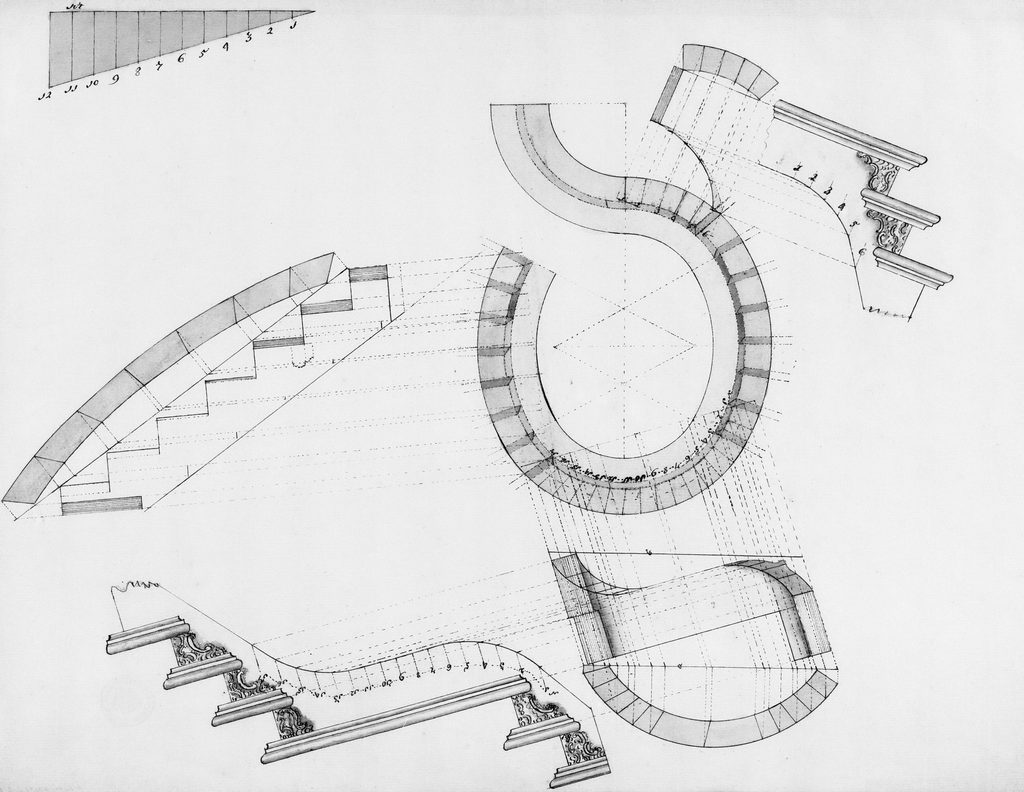
One of the key stumbling blocks that we see is registrations that have not been prepared with the specific understanding of how to represent a design accurately for registration and in such a way as to achieve the protection being sought. Often blueprints or CAD drawings are simply then submitted as registered design applications, often fundamentally undermining protection before it has even been registered. Design right registrations have to be prepared specifically for that purpose in order to protect a design effectively.
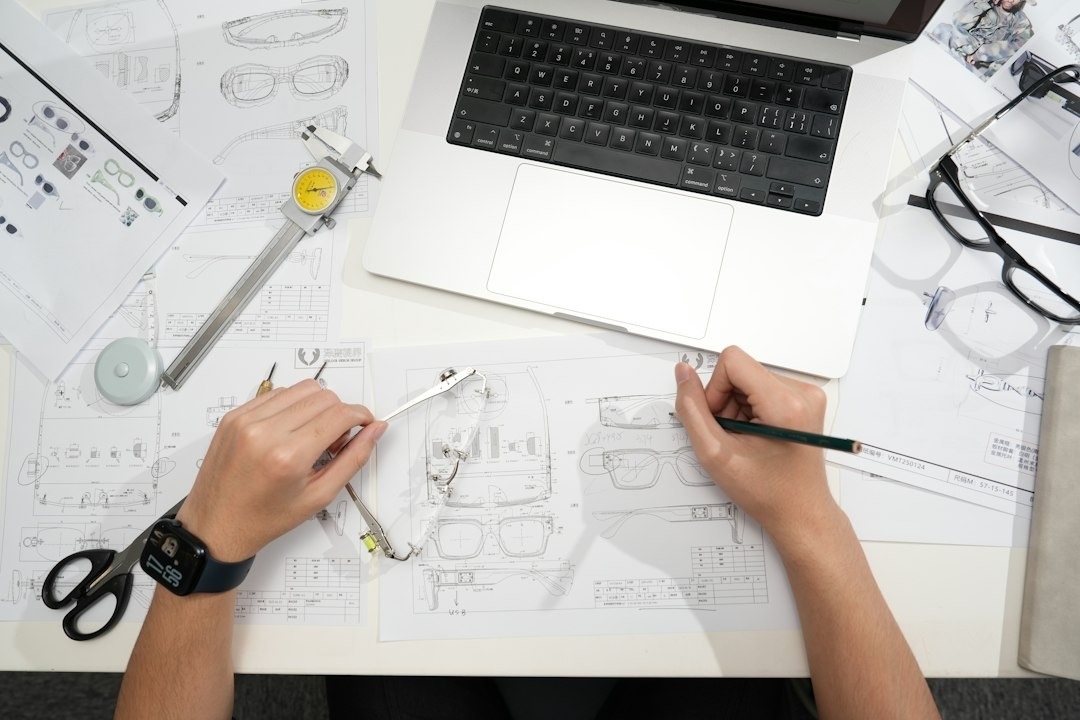
Design rights protect the visual appearance of a product or its packaging. Crucially, design protection can only protect the appearance of a product in ways that do not form part of its function or use.
As above, the extent to which this appearance is protected also depends on the specific nature of the design right (registered or unregistered, UK or EU design right), as well as the precision of the design right registration in the case of registered designs.
A comparison of registered Design rights, Unregistered design rights and Supplementary unregistered designs
| Protection feature | UK registered design | UK unregistered design right (UDR) | Supplementary unregistered design (SUD) |
| What it protects | 2D and 3D visual appearance, shape, surface pattern, and ornamentation | 3D shape and configuration only (excludes 2D surface decoration) | 2D and 3D visual appearance, surface decoration, lines, and textures |
| Maximum duration | Up to 25 years (renewed every 5 years) | 10 years from first marketing (or 15 years from creation) | 3 years from first public disclosure in the UK |
| Infringement test | Strict monopoly: whether the design produces the same overall impression | Claimant must prove actual, deliberate copying by the defendant | Claimant must prove actual, deliberate copying by the defendant |
The tactical burden of unregistered design rights
It is beneficial to view unregistered design rights as a bit of a “safety net” rather than a fully comprehensive right in and of itself. Registering a design is relatively low cost, and if renewed, provides more robust protection which is more easily enforced as a statutory monopoly for 25 years.
Enforcing an unregistered design, on the other hand, requires your legal team to provide evidence of copying. This places a significant evidentiary burden on your claim.
Many designers assume that if they designed a product, they are automatically protected from lookalikes. This is a dangerous commercial trap. If you do not have a registered design, you are then forced to rely on unregistered design rights.
To win a UDR claim, you cannot simply show that the competitor’s product is similar (as you can with a registered design right). You must prove actual deliberate copying. As such, when we enforce unregistered design right claims for our clients, we need to demonstrate that the competitor had access to your design and that the similarities are so striking that they could only result from copying and not independent creation.
This evidentiary burden drastically increases legal fees and uncertainty (far beyond what it would cost to register the design in the first instance). As with many areas as it relates to IP, prevention is more favourable than cure.
Enforcing design rights in litigation
As a specialist area, within the specialist legal area of intellectual property, the enforcement of design rights (or defence of claims of design right infringement) is a niche within a niche.
Our specialist team has engaged with enforcing and defending design rights claims (both registered and unregistered) and is well equipped to support you. The process we typically undertake is outlined below.
Stage 1: Evidentiary audit and “overall impression” test
Before firing the first shot (or replying to a claim made against you), we assess whether the competitor’s product produces the same “overall impression” on an informed user.
If relying on unregistered rights, we gather the design trail (sketches, CAD files, prototype drafts) to prove creatorship, and the timeline of creation to assert the provenance of your design.
Stage 2: The letter before action (LBA) & undertakings
Once we are clear on the facts and the legal position, we then deploy a highly targeted Letter Before Action (or response) complying with standard pre-action protocol. This sets out infringement, demands for immediate withdrawal of lookalike products, and seeks binding legal undertakings – or responds to the same.
This stage is critical on either side of a claim as a poorly drafted response can often trigger an early commercial settlement.
Stage 3: Emergency interim injunctions (if required)
In fast-moving disputes like fashion and consumer technology, waiting for a full trial to decide liability and halt damage can take too long, as irrevocable damage is occurring in the meantime.
In urgent cases, we can apply to the High Court for emergency interim injunctions to immediately freeze the manufacture, importation and sale of infringing goods until a trial determines liability.
Stage 4: Trial and financial remedies
We aim to resolve legal proceedings as quickly and effectively for our clients, limiting disruption to their business and minimising cost and damage to their operations. In certain instances, however, where a resolution is not secured earlier, a dispute may proceed to trial, where it is typically put before a Judge in the Intellectual Property Enterprise Court (IPEC) or, in certain cases, the High Court.
Should a case reach trial, our objective is typically to secure permanent injunctions, mandatory destruction of infringing stock and substantial financial compensation for infringement. (Compensation may take the form of either an inquiry into lost damages or an “account of profits” made by the infringer as a result of the infringement.
Should we be defending a claim, the opposite is true, where we will be asserting your legal position to limit or prove that you are not liable for infringement, and thus can continue to operate uninterrupted.
Design rights: Frequently asked questions
No. Design rights specifically protect the appearance of a product. If a feature of a design is dictated solely by its technical function (e.g. the shape of a plug to fit into a standard socket), that feature is excluded from design protection. Functional innovations must be protected by applying for a patent, which has an entirely separate process to evaluate and register.
As with copyright, under UK law, the external design is the initial owner of a design right by default. If you hire a freelance agency to create product packaging, they would own the rights in the unregistered design and copyright, unless this has been transferred to you. As such, it is important to make sure that you have a written contract containing a present assignment of all IP rights before a design is finalised; otherwise, you may experience issues.
If you hold a UK-registered design, we can record that right with the UK Border Force. This empowers customs officials to proactively detain and seize shipments of suspected counterfeit or infringing goods at the border before they enter the UK supply chain.
Are copycats eroding your product margins?
Do not rely on the uncertainty of unregistered rights or wait for the market to be flooded with lookalikes.
Whether you need to secure immediate relief against an infringement or audit your design portfolio for vulnerabilities, early strategic action is vital.
Get in touch with our team to find out how we can support you.
Protect the big ideas that make your business unique today
Are you anticipating an intellectual property dispute and seeking expert legal support? Click the button below to find out how our team can support you and secure your commercial objectives.

IMPORTANT DISCLAIMER
The information provided on this website by Virtuoso Legal is for general informational and educational purposes only and does not constitute bespoke legal, commercial, or financial advice.
Intellectual property law is complex, and the outcome of any dispute, registry action, or commercial transaction depends entirely on the unique factual basis and specific circumstances of each individual case.
Viewing this content does not create a solicitor-client relationship. To the fullest extent permitted by the Law of England & Wales, Virtuoso Legal accepts no liability for any loss, damage, or commercial detriment arising from reliance placed on this information.
You should not act or refrain from acting based on this content without first seeking professional legal advice tailored to your specific situation.